Whole-Body Vibration Training - The Science
Vibration Training: How It Works and Why It Matters
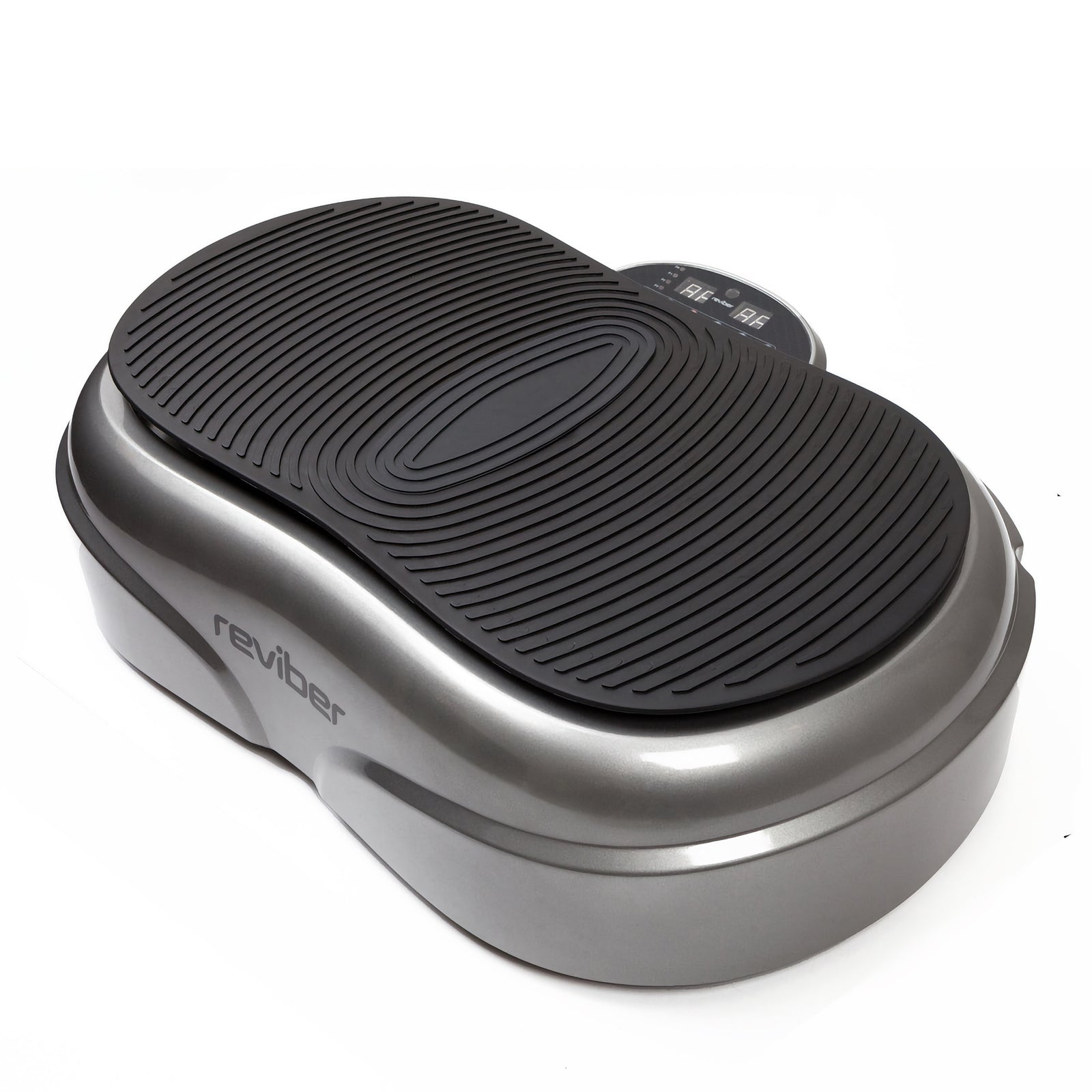
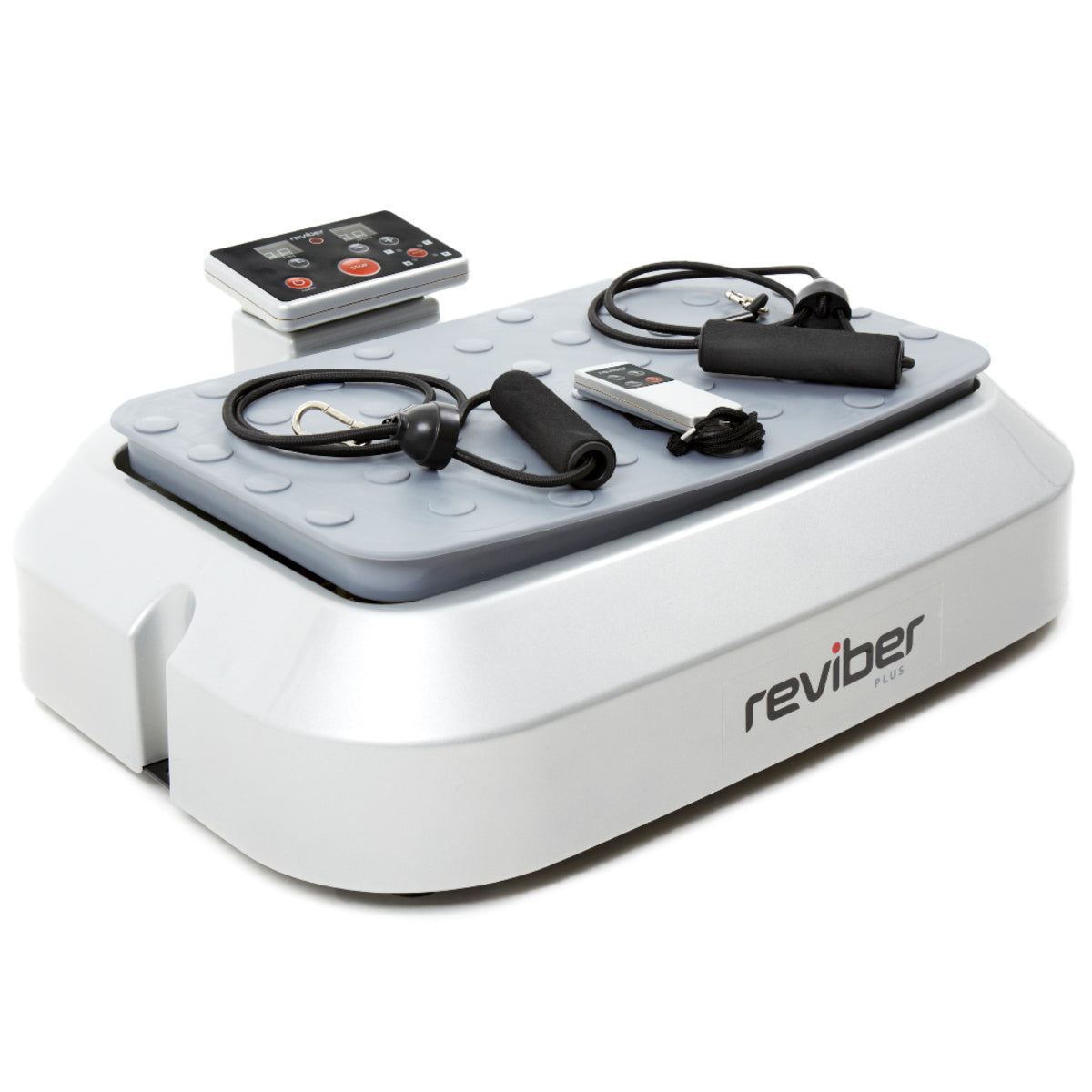
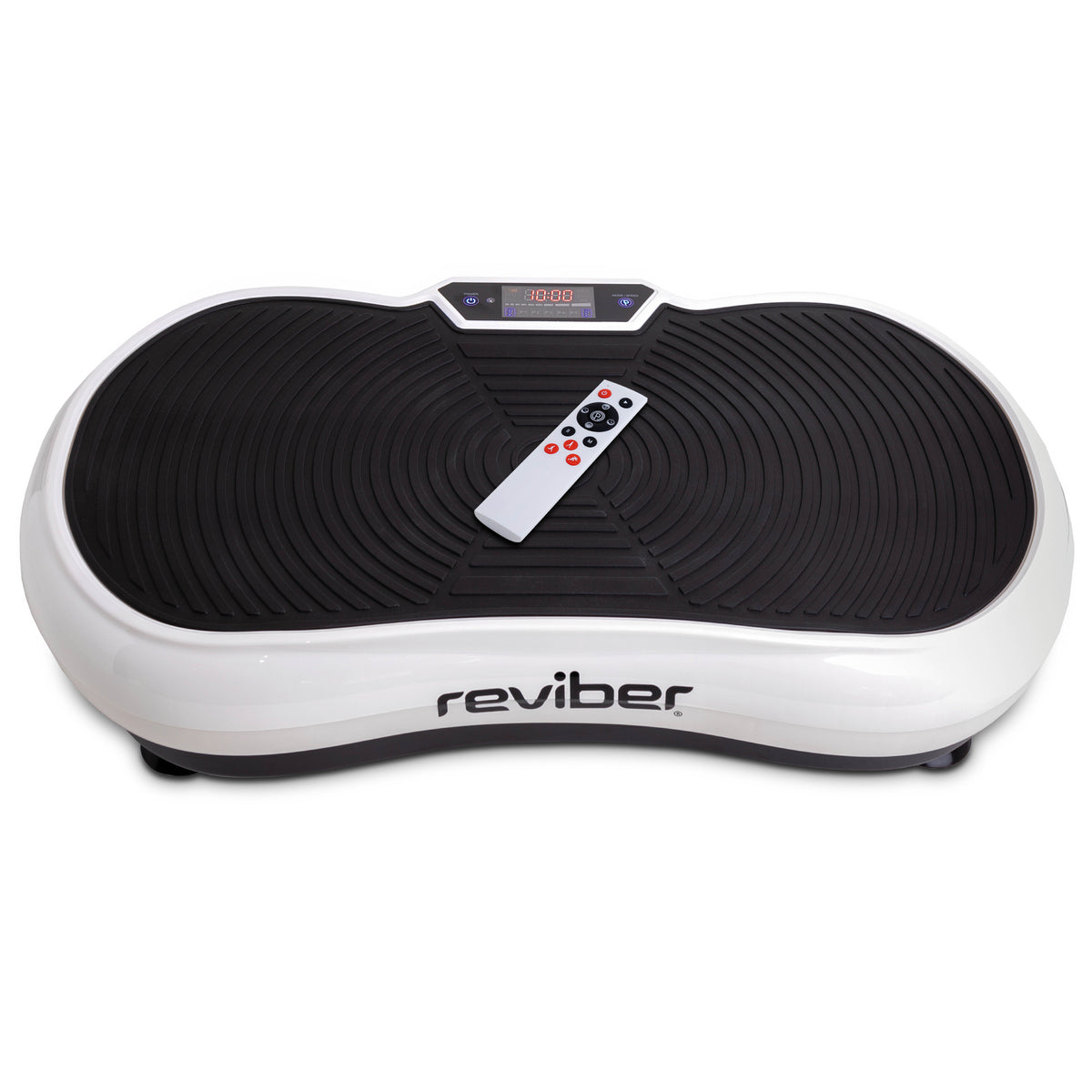
Step onto a Reviber vibration plate and you’ll quickly realize this isn’t just another fitness trend. Whole-body vibration (WBV) training is rooted in science: by adding gentle mechanical oscillations to familiar movements — like squats, push-ups, or stretches — you can activate more muscle fibers, boost circulation, and improve balance in less time.

What Is Whole-Body Vibration?
WBV involves standing, sitting or exercising on a platform that produces controlled vibrations. These vibrations travel through your body, creating small, rapid changes in muscle length. Your muscles respond automatically, firing reflexive contractions to keep you stable. Scientists call this the tonic vibration reflex: an involuntary reaction where muscle fibers are activated without conscious effort. The more fibers recruited, the greater the effect on strength, power and endurance.
Key Benefits of WBV Training
-
More Muscle Activation in Less Time
Traditional exercise recruits muscle fibers as you add resistance or increase intensity. WBV adds another layer by stimulating fibers reflexively, especially fast-twitch fibers—the ones responsible for bursts of strength and speed. In practice, that means exercises performed on a vibration plate require more effort from your muscles, even if the movement feels the same. Research comparing WBV with standard resistance training shows similar gains in strength and power, often achieved in shorter sessions. Takeaway: A 15-minute workout on a platform can rival a much longer gym session in terms of muscle engagement. -
Circulation Boost and Recovery
The vibrations encourage blood flow and lymphatic activity. Many users describe a “warming effect” after just a few minutes—evidence of improved circulation. Better blood flow not only supports performance during exercise but also aids recovery afterward by delivering oxygen and nutrients to fatigued muscles. Some studies even suggest WBV can help reduce swelling and improve tissue recovery, making it an appealing option for people who feel stiff or sluggish after traditional workouts. -
Balance, Coordination, and Core Strength
Maintaining stability on a vibrating surface forces your core and stabilizing muscles into action. Over time, this strengthens the core and improves coordination. For older adults, WBV has shown particular promise in improving postural control and reducing fall risk. Even younger users benefit from sharper proprioception—the body’s ability to sense movement and position—which can carry over into sports and everyday activities. -
Gentle on the Joints
Unlike high-impact exercises like running or plyometrics, WBV places less stress on the joints. That makes it suitable for people who want to strengthen muscles without aggravating knees, hips, or ankles. Of course, posture and technique remain important: a slight bend in the knees can reduce unwanted vibration to the head and spine, making the workout more comfortable and safe. -
A Versatile Training Tool
The platform is not just for standing. You can perform a variety of exercises—squats, push-ups, lunges, stretches, or resistance-band routines—on the vibrating surface. Because your muscles are already engaged in stabilizing, every movement becomes more intense. For those who enjoy combining fitness tools, adding dumbbells or resistance bands to WBV training can create a full-body workout that challenges both strength and stability.
 What the Research Shows
WBV has been studied in a wide range of populations: from young adults to older adults, from fitness beginners to professional athletes. Findings generally support its role as an effective supplement to traditional exercise.
-
Strength and Power Gains
Studies comparing resistance training with and without vibration often show equal or greater improvements when vibration is included. Gains in leg strength, jump height, and core stability have been reported in both young and older adults. -
Time Efficiency
Research highlights that vibration-assisted training sessions are often shorter but produce comparable results to longer conventional workouts. -
Body Composition
Some studies have linked WBV to increases in lean muscle mass and reductions in body fat, particularly when combined with resistance training. -
Balance and Coordination
In older adults, WBV combined with physical therapy has been shown to improve gait, stability, and overall balance compared to exercise alone.
How to Use a Vibration Platform Effectively
-
Keep sessions short
Most effective routines last 10–20 minutes. -
Mind your posture
A slight bend in the knees helps absorb vibrations safely. -
Start simple
Begin with familiar exercises like squats or push-ups, then progress to more complex moves. -
Combine with resistance
Adding weights or bands can maximize the benefits. -
Listen to your body
Just like any form of exercise, it’s important to progress gradually and avoid overuse.
Smarter, Not Harder
Time-efficient training is a game-changer. Whole-body vibration offers a way to make every minute of exercise count, combining reflexive muscle activation, circulation support, and balance training into one session. Whether you’re an athlete looking for an edge, a beginner building strength, or an older adult aiming to stay active and steady on your feet, WBV can help you get there faster—with less impact on your joints and more engagement from your muscles.
 Whole-body vibration training is not about replacing exercise—it’s about amplifying it. By blending mechanical stimulation with traditional moves, you can unlock faster progress, better balance, and greater efficiency. The science may sound complex, but the experience on a Reviber Vibration plate is simple: step on, feel the buzz, and let your body do what it does best—adapt, strengthen, and thrive.
What WBV Is Not - It’s important to note that WBV is not a replacement for all forms of exercise. It does not provide the cardiovascular conditioning of aerobic activities like running, cycling, or swimming. Instead, it’s best viewed as a complement —something that enhances traditional movements and makes them more efficient.
FAQ
FAQs are provided for general reference only. If you have any injuries or medical conditions, consult a healthcare professional.