Losing Weight Is One Thing. Staying Healthy and Functional Is Another
Weight loss medications such as semaglutide (Wegovy) and tirzepatide (Mounjaro) are changing what is possible for people living with obesity.
By reducing appetite and helping the body regulate blood sugar more effectively, they can support significant fat loss and meaningful improvements in metabolic health.
Your bathroom scales will tell you how much weight has been lost. They do not tell you what the lost weight was made of. During rapid weight loss, the body can lose muscle as well as fat; bone health may also be affected, particularly when weight loss is combined with inactivity, poor nutrition or an existing reduction in strength.

The same result on the scales is not always the same
Body weight includes fat, muscle, water, bone and other tissues. Two people could each lose 15 kilograms and experience very different results. One may lose mainly body fat while maintaining strength and mobility. The other may lose a greater proportion of lean tissue, leaving them lighter but also weaker, less stable and less confident in everyday movement.
Research into GLP-1 weight loss treatments suggests that a meaningful proportion of the weight lost can come from lean mass. Not all lean mass is muscle, but the finding is still important because skeletal muscle is central to how the body moves, supports itself and manages energy.
Imagine carrying the weekly shopping from the car, getting up from a low chair or climbing a flight of stairs. These ordinary activities depend less on what you weigh and more on the strength you retain.
Why bone needs movement too
We may think of bone as solid and unchanging, but it is living tissue that continually adapts to physical demand.
When muscles contract, they pull on the skeleton. When the feet meet the ground, force travels through the legs and hips. These mechanical signals help encourage the body to maintain bone strength.
As body weight falls, some of that natural loading is reduced: if movement also decreases, the stimulus becomes weaker. This can be particularly relevant for older adults, post-menopausal women and people who already have reduced mobility or low muscle mass.
In such situations, the goal of weight loss should not simply be a smaller body: it should be a body that remains capable, stable, strong and resilient.

Medication changes appetite. Movement supports capability.
Weight loss medication can make it easier to eat less, but it does not teach the muscles to stay active: that signal comes from movement.
Resistance exercise remains one of the most important ways to support muscle during weight loss.
However, conventional strength training is not always an easy place to begin. Someone living with knee discomfort, recovering from illness or returning to exercise after many years may not feel ready for a gym programme.
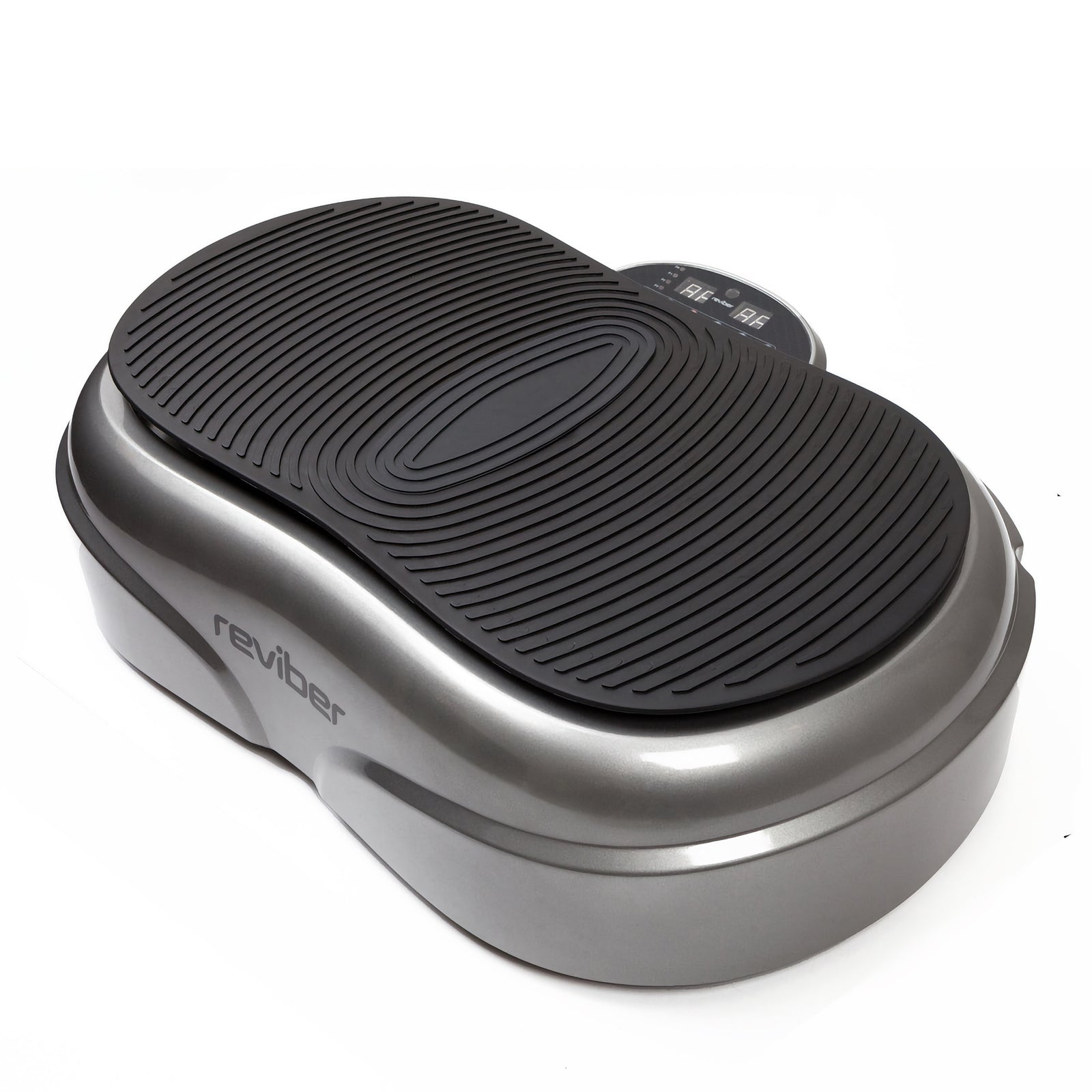
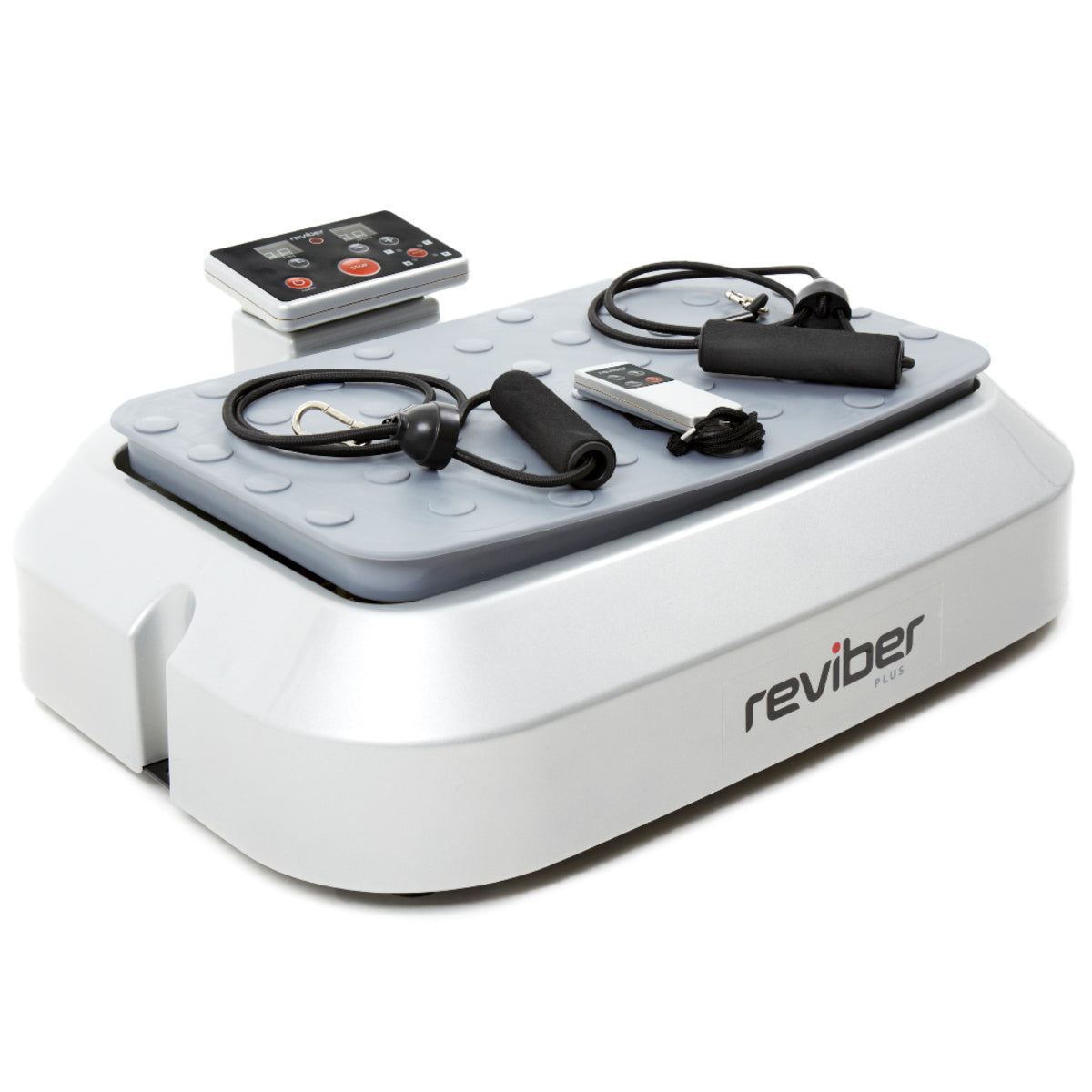
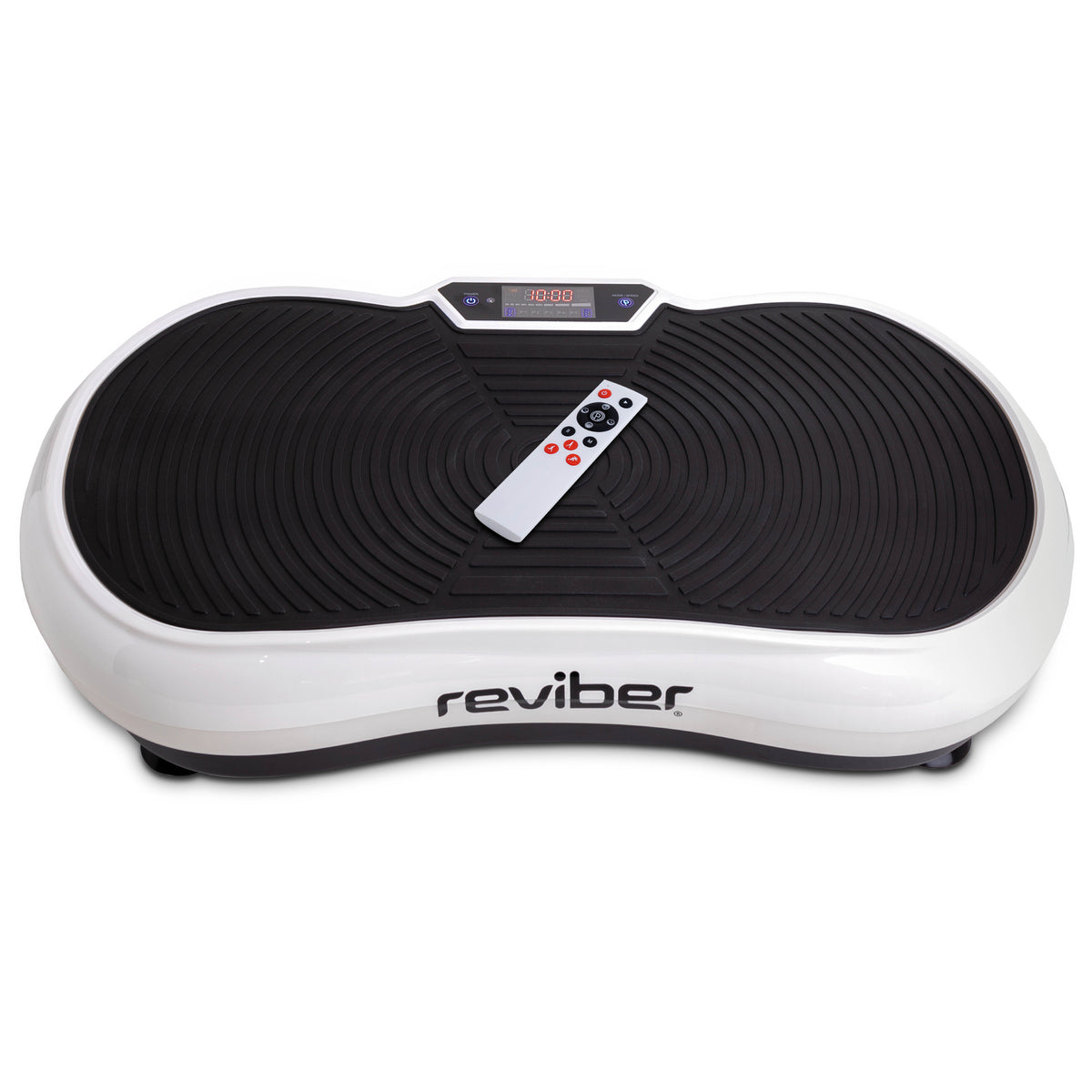
This is where whole-body vibration can provide a valuable bridge. Reviber vibration plates deliver controlled mechanical vibrations through the body. In response, the muscles make rapid reflexive contractions to maintain balance and stability. These contractions create neuromuscular stimulation without the repeated impact associated with running, jumping or some traditional exercises.
Standing on the plate can make familiar movements more demanding: a gentle squat, calf raise or supported standing position can involve a greater muscular response when performed on a vibration platform.
For someone at the beginning of a weight loss journey, that may make movement feel more achievable. This is also why vibration plates are often used as part of rehabilitation programmes.
Building strength from where you are
The most effective exercise programme is not necessarily the hardest: it is the one the body can tolerate and the person can continue.
This is particularly important during a period of rapid physical change: reduced calorie intake can sometimes bring fatigue, nausea or lower motivation, especially in the early stages of treatment. A short, low-impact session may feel more realistic than a long workout.
Reviber vibration plates allow both intensity and position to be adapted. For example, a person may begin with supported standing, using the handles for confidence and setting the plate to a low vibration speed. As balance and strength improve, they can introduce gentle bends, weight shifts or carefully selected rehabilitation exercises.
More vibration is not automatically better. The right level is the one that encourages a useful muscular response while allowing the body to remain comfortable and in control.
That progression matters. The aim is not to push the body beyond its limits, but to give it a reason to remain active.
Research into whole-body vibration has measured increases in muscle activation during use. Studies have also investigated its potential role in supporting balance, circulation, lower-limb function and rehabilitation in people with reduced physical capacity.

A partner in a wider health plan
Whole-body vibration should not replace medical care or physiotherapy: it works best as part of a broader, professionally advised approach that also includes adequate protein intake and nutritional support.
Protein becomes particularly important when appetite is reduced. Without sufficient dietary protein, the body has fewer amino acids available to maintain and repair muscle. Movement provides the signal to keep muscle. Nutrition provides the raw materials.
Together, these habits can help shift the focus from losing weight quickly to losing weight well.
Look beyond the scales
The scales should never be the only measure of success.
- Can you climb the stairs more comfortably?
- Do you feel steadier when standing?
- Are everyday tasks becoming easier?
- Are you maintaining the strength to support the life you want to live?
Reviber vibration plates are designed to support that wider view of health. Through low-impact neuromuscular stimulation and adaptable exercise, they can help people keep moving during periods of weight loss, recovery or reduced mobility.
Because the goal is not simply to weigh less: it is to emerge from the journey feeling stronger, more confident and ready to move forward.

This article is intended for general information only and is not a substitute for medical advice. Anyone using prescription weight loss medication should speak to their doctor, physiotherapist or healthcare professional before changing their exercise routine or diet.
References
Leave a comment
FAQ
FAQs are provided for general reference only. If you have any injuries or medical conditions, consult a healthcare professional.